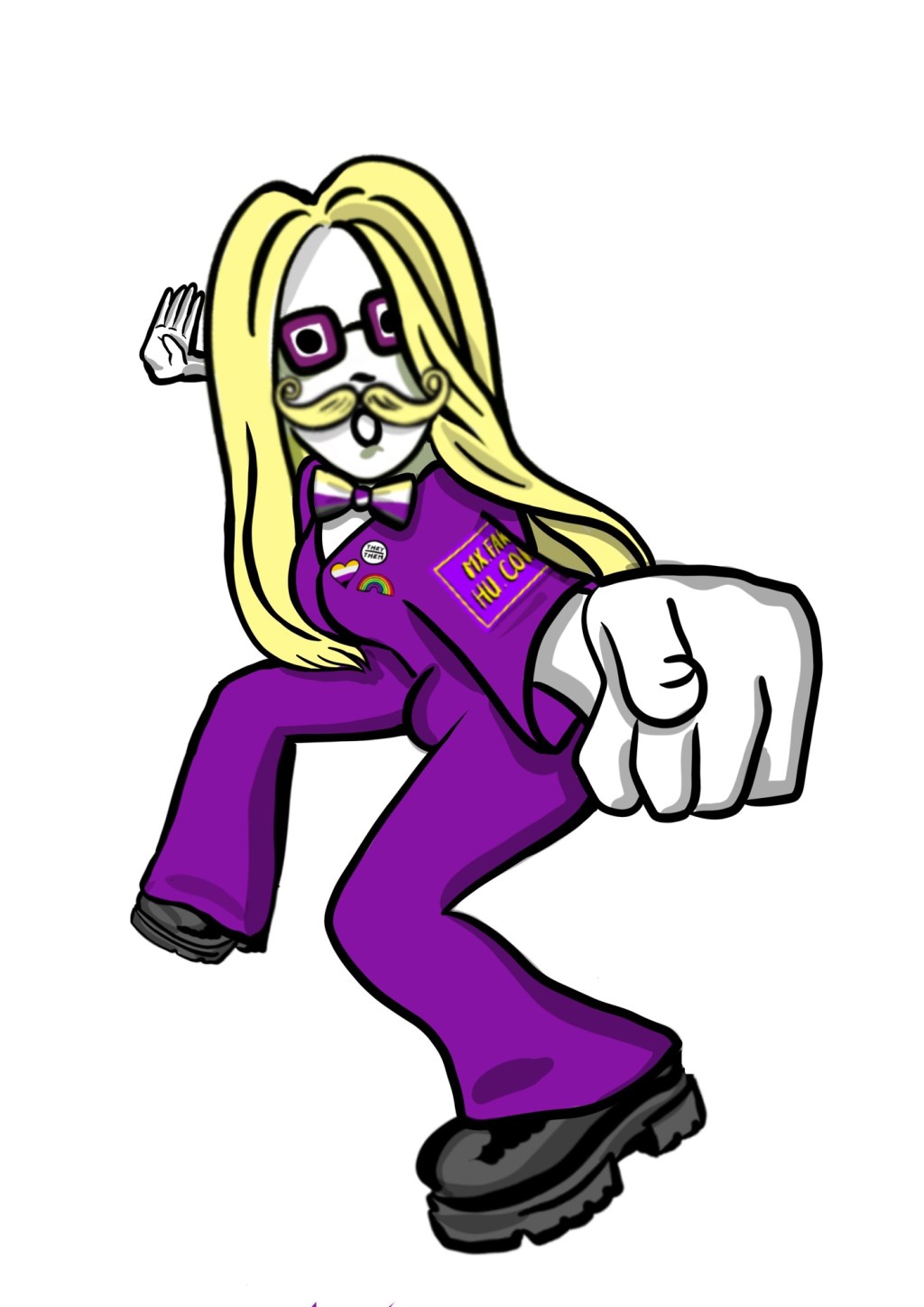
I started running a series of workshops last year and will start up again in April. My home of Borth shuts down for winter. It is a storm beach, after all. There have been parties, but I’ve been head down in the studio rather than dancing on the tables…
One of my art group’s requests was for a drawing workshop, and one always thinks of Betty Edwards Drawing on the right side of the brain. So when I signed up for the UAL academic support workshop, I was delighted to see how Christina Koning was using this book and how she had interpreted Edwards rather stoic lesson plans. It’s fascinating how each artist takes a different slant on Edwards’s work. My beach art group are mixed ages, some creatives, but mainly people who haven’t had anything to do with art since they decided at eight that art wasn’t for them. Yet here they are wanting to explore that side of themselves.
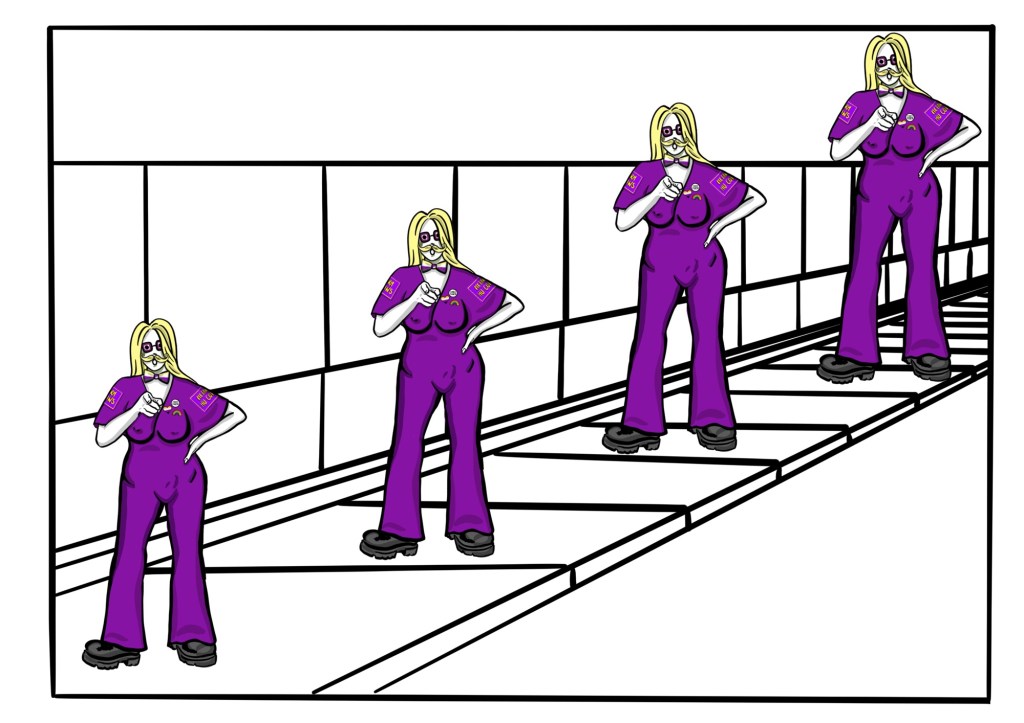

How art and creativity impacts the brain and brain health is really important to me. My mother suffered in the last years of her life from vascular dementia.
She described dementia as living in a house that you have always inhabited, but someone has locked the door into a room you want to go in. Sometimes, you can pick the lock, sometimes you can find another door into the room, and sometimes, you will never be able to go into that room again… Eventually, none of the rooms were open to her, and she didn’t know who I was, but she said she liked me… which was probably the most beautiful thing anyone has said to me but also the saddest.
During my BA research, I found out that drawing with the non-dominant hand accessed the underused creative side of the brain, developed new neural networks and was being used as a treatment for stroke victims.

However, research shows the incredible effect it has on perfectly health brain tissue too.
So that’s completely new bits of brain that anyone can develop just by drawing.
If you try it yourself, it’s quite startling the difference it makes, and it continues to make, just like any program of exercise.
I want my new workshop to examine drawing, brain health and happiness. But this is also important for any art practice. As Contemporary artists, we are both bestowed and burdened with hundreds of years of art history and developmental knowledge. Art is the inquisitor of life, so as sex has become the contemporaneous gateway to love and passion has overtaken laboursome compatibility, have we got the steps in the wrong order? Should we learn to draw in perspective, or de-colonialise and draw in primacy, or abstract ourselves to the new…
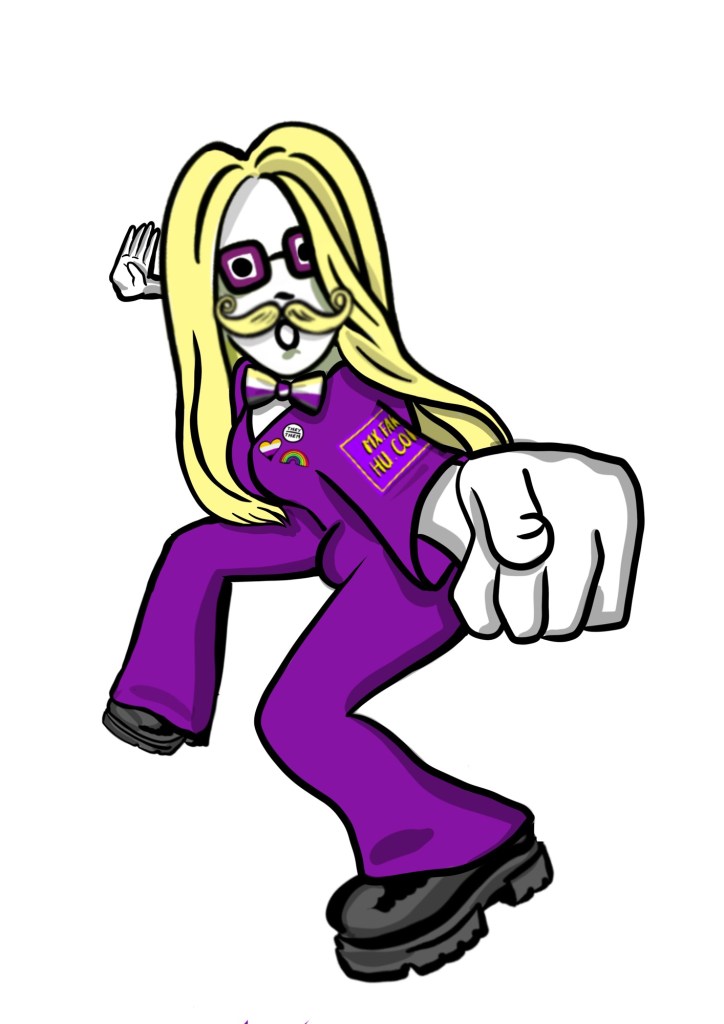
How does this connect to my practice focus?
Well, it’s networking in its most literal sense. It also counters ableism and the Western narrative of ageism whilst exploring what it means to be an alarumed creative in the 21st century.
Perspective is, after all, everything in the new Anthropocene.
Never mind, use it or lose it…. Do it and Develop it.
Edwards, B. (2001) The new drawing on the right side of the brain. HarperCollins UK.
Philip, B.A. and Frey, S.H. (2016) ‘Increased functional connectivity between cortical hand areas and praxis network associated with training-related improvements in non-dominant hand precision drawing,’ Neuropsychologia, 87, pp. 157–168. https://doi.org/10.1016/j.neuropsychologia.2016.05.016.
 Mx.D.P
Leave a comment