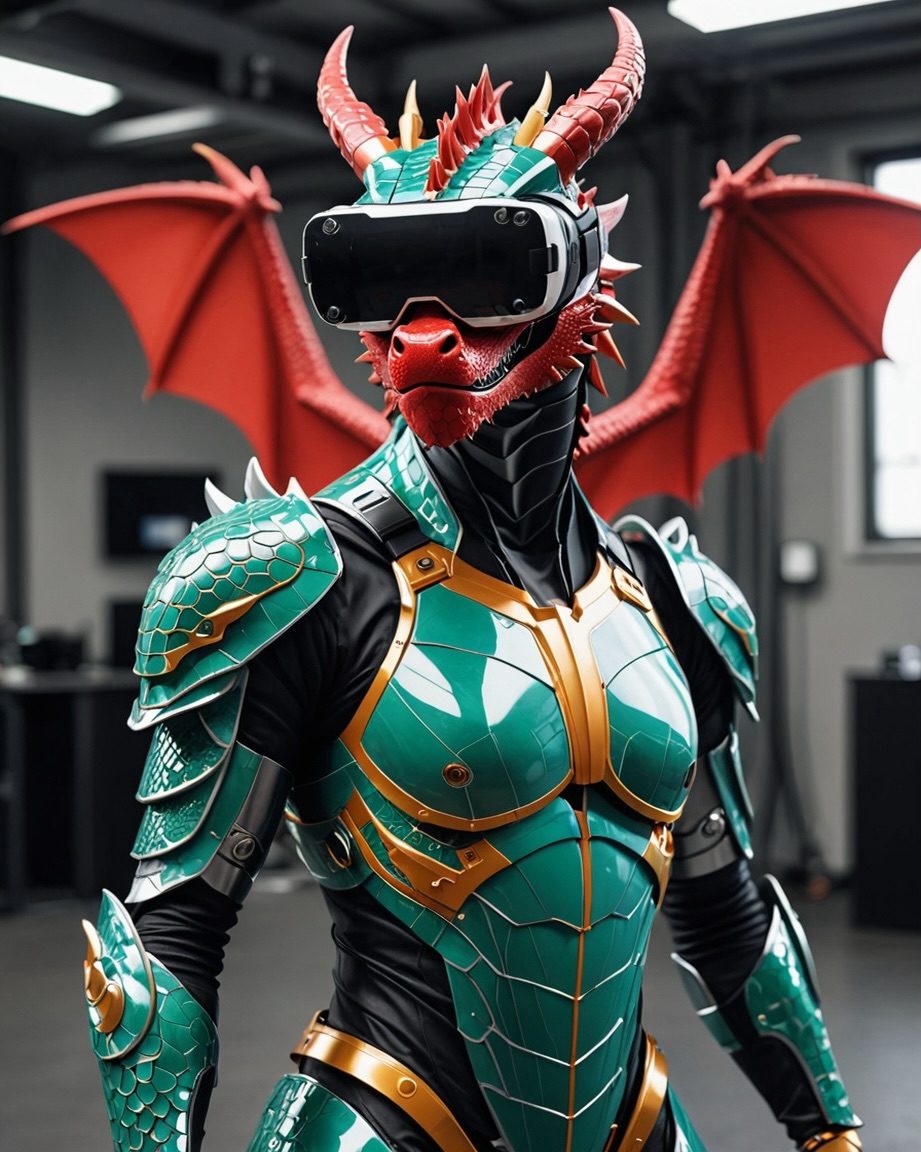
Introduction – What is Digital Arts
Digital arts encompass diverse disciplines that leverage digital technologies to create, manipulate, and present artistic works. Here’s an expanded overview of key digital arts practices, including emerging technologies and platforms:
Digital Painting
Using software and digital tools such as tablets and styluses, artists create paintings that mimic or extend traditional techniques. Digital painting allows limitless experimentation with colour, texture, and form, often enabling easier editing and layering than physical media.
Animation
This discipline involves creating moving images through digital frame-by-frame drawing, 2D or 3D modelling, and motion capture. Animation is widely used in film, games, advertising, and storytelling, allowing artists to bring static visuals to life with movement and narrative.
Video Art
Video art uses digital technology to create artistic works, often exploring experimental narratives, abstract imagery, or social commentary. It can be presented as single-channel works, installations, or projections.
Virtual Reality (VR)
VR immerses users in fully computer-generated environments, experienced through headsets and motion sensors. Artists use VR to craft fully immersive worlds, interactive narratives, and experiential art that engage multiple senses.
Augmented Reality (AR)
AR overlays digital content onto the physical world via smartphones, tablets, or AR glasses. This practice enables artists to blend real and virtual elements, creating interactive experiences that respond to the user’s environment.
Extended Reality (XR)
XR is an umbrella term encompassing VR, AR, and mixed reality (MR), which combines real and virtual environments in real time. XR allows artists to explore hybrid experiences that merge physical and digital worlds in complex, interactive ways.
Cross-Disciplinary Design (XD)
XD refers to creative practices integrating graphic design, user experience (UX), interaction design, and digital media. It focuses on designing holistic experiences that are both functional and artistic, often for digital platforms, interactive environments and traditional mediums.
Interactive Installations
These physical or digital artworks invite audience participation, often using sensors, cameras, or touch interfaces. Interactive installations break down the barrier between viewer and art, making the audience active in the experience.
Generative Art
Generative art uses algorithms, code, or artificial intelligence to produce artworks that can evolve or change over time. Artists design systems or rules rather than static images, allowing the work to generate itself, often creating unique or unpredictable results. Ai prompts become artistic witchcraft spells.
Digital Storytelling
This practice combines narrative, digital media, and interactive elements to tell stories innovatively. It can include multimedia presentations, web documentaries, VR narratives, or interactive fiction that engage audiences beyond traditional formats.
3D Modeling
Artists and/or creative digital technologists working in collaboration create digital three-dimensional objects or environments using specialised software. 3D modelling is widely used in animation, gaming, virtual production, and digital sculpture, enabling realistic or stylised representations.
Motion Graphics
Motion graphics involve animated graphic design elements such as typography, shapes, and visual effects. This discipline is used extensively in film titles, advertising, branding, and digital interfaces to communicate messages dynamically.
Game Design
Game design blends storytelling, visual art, interactivity, and software development to create interactive digital games. It challenges artists to think about player experience, narrative branching, and real-time engagement.
Immersive Theatre
While rooted in performance, immersive theatre increasingly incorporates digital technology—such as projections, VR, or AR—to create environments that envelop audiences in multisensory narratives, blurring the lines between performer and spectator.
Haptic Feedback Technology
Haptic technology adds a tactile dimension to digital arts by simulating touch and vibration, and force feedback through devices like gloves, suits, or handheld controllers. This innovation enhances immersion in VR and interactive installations, allowing audiences to physically “feel” digital environments or artworks, deepening emotional and sensory engagement. Like VR Galleries and institutions shy away from expensive tech heavy art.
Democratising Apps and Social Media
The rise of accessible apps and social media platforms has transformed digital arts by enabling artists to create, share, and promote their work without traditional gatekeepers. Tools like TikTok, Instagram, and user-friendly creative apps empower a broader range of artists to reach global audiences instantly, fostering community, collaboration, and new forms of digital expression. This democratisation has expanded participation and innovation in digital arts worldwide but noticably from young welsh content creators.
These disciplines and technologies illustrate digital arts’ expansive and evolving nature, highlighting how digital tools and platforms continually redefine creative possibilities and audience experiences.
Wales has the beginnings of a distinctive and increasingly confident digital arts sector. We must expand and ensure we don’t gate-keep access to this creative community. Wales can be at the forefront of digital art experimentation, using new technologies, forging cross-disciplinary partnerships, and using digital media to explore Welsh contemporary arts and social issues. With joined up institutional support and a growing roster of homegrown digital artists, Wales could carve out a unique space in the global digital arts landscape.
Why Digital Arts:
Contemporary digital art is intersecting with pressing global issues and scientific inquiry. Traditional boundaries between disciplines dissolve, creating innovative practices that blend artistic creativity with data, technology, and experimental research. Digital arts, in particular, are forging new connections to science, enabling artists to explore complex systems, visualise invisible phenomena, and engage audiences in immersive experiences that challenge perceptions of reality, while creating new usable knowledge. It is the new age of enlightenment, an arts renaissance using the digital.
As humanity faces unprecedented challenges, climate change, pandemics, social upheaval, and technological disruption, artists are adopting scientific methods and digital tools to investigate these global issues in nuanced and impactful ways. Through collaboration with scientists, technologists, and communities, digital arts foster new modes of creative thinking that emphasise interdisciplinarity, experimentation, and participatory engagement.
This fusion of art and science expands the artist’s role beyond that of creator to become a researcher, facilitator, and communicator of complex ideas. Digital arts harness big data, artificial intelligence, virtual environments, and interactive platforms to generate insights and provoke critical reflection on humanity’s relationship with the natural world, technology, and each other.
Entering this new phase, art powered by digital innovation offers pathways for understanding and responding to the pressing challenges of our time. It invites audiences to experience complexity, and interconnectedness intellectually and viscerally, inspiring collective imagination and community futures.
Key Organisations and Initiatives
A collaborative network of organisations and funding bodies must support the sector:
Exsisting Key Organisations and Initiatives Supporting Welsh Digital Arts
1. Arts Council of Wales
The Arts Council of Wales is the central public body responsible for funding, developing, and promoting the arts in Wales. It provides various grants and support programs for digital innovation, immersive arts, and interdisciplinary projects. Their mission is to nurture creative talent, foster innovation, and ensure diverse representation within the arts sector.
Services: Funding for individuals and organisations, professional development, strategic support for digital arts innovation, and advocacy for inclusion and diversity.
Website: https://arts.wales
Email: info@arts.wales
Phone: +44 (0)2920 758 200
Address:
Arts Council of Wales
Baltic House
Mount Stuart Square
Cardiff Bay
CF10 5FH
2. Wales Millennium Centre
The Millennium Centre has expanded its remit to become a venue for digital and immersive arts.
Their dedicated space, Bocs is a dedicated immersive arts space within the Wales Millennium Centre in Cardiff. It serves as a hub for exploring and showcasing digital storytelling through emerging technologies like virtual reality (VR), augmented reality (AR), mixed reality (MR), and 360° media. Bocs provides artists with the facilities, technical support, and public platform needed to create and present immersive, interactive experiences. Advancing Wales’s digital arts scene by fostering innovation, experimentation, and wider audience engagement in immersive and extended reality art forms. Bocs hosts cutting-edge VR, AR, and mixed reality exhibitions and residencies. The Centre offers technical support, commissions, and community engagement programs to help artists develop and present digital work.
Services: Artist residencies, immersive arts commissions, technical facilities, public programming, digital storytelling platforms.
Website: https://www.wmc.org.uk
Email: info@wmc.org.uk
Phone: +44 (0)29 2063 6464
Address:
Wales Millennium Centre
Bute Place
Cardiff Bay
Cardiff
CF10 5AL
3. Am Digital Platform
“Am” is a digital cultural hub, connecting over 480 creative partners, including artists, museums, and cultural organisations. It provides a platform to showcase digital exhibitions, performances, and interactive projects, helping artists reach new audiences and collaborate across the sector. This could be the platform to create a useable network. Archiving such huge quanties of information is problematic.
Services: Digital exhibitions, online performances, interactive project hosting, cultural networking.
Website: https://www.amdigital.co.uk/
4. Go Digital Programme (British Council Wales)
The British Council’s Go Digital Programme facilitates international digital collaborations. It supports creative exchange, digital residencies, and joint projects that foster innovation and cross-cultural dialogue.
Services: International collaboration grants, digital residencies, creative exchange programs.
Website: https://wales.britishcouncil.org/en/programmes/arts
Email: wales@britishcouncil.org
5. Immersive Arts Programme
Supported jointly by Creative Wales and the Arts Council of Wales, the Immersive Arts Programme funds projects using VR, AR, and mixed reality with a strong emphasis on accessibility and public engagement. It offers grants, residencies, and support to artists pushing the boundaries of immersive digital storytelling.
Services: Funding for immersive projects, artist development, and public engagement initiatives.
Website: https://immersivearts.uk/
6. Celf ar y Cyd
Celf ar y Cyd focuses on participatory arts and community engagement. It encourages artists to create work that connects with local audiences through digital and interactive formats. The organisation provides artist development, commissioning opportunities, and resources to support socially engaged digital art.
Services: Participatory arts commissioning, artist support, community engagement projects.
Website: https://celfarycyd.wales
Email: contact@celfarycyd.wales
Phone: +44 (0)1440 712121
Address:
Celf ar y Cyd
Y Plas
Llanelli
SA15 3AP
7. Mostyn Gallery
Mostyn is a contemporary art gallery in Llandudno that actively supports digital and moving image art through commissions, exhibitions, and residencies. Collaborations with organisations like LUX enhance opportunities for Wales-based digital artists to gain national and international exposure.
Services: Exhibitions, artist residencies, digital art commissions, public programs.
Website: https://mostyn.org
Email: info@mostyn.org
Phone: +44 (0)1492 874000
Address:
Mostyn
Vaughan Street
Llandudno
LL30 1AB
8. Wales Arts Health & Wellbeing Network (WAHWN)
WAHWN connects artists with health professionals to create projects that explore mental health and wellbeing, frequently using digital storytelling and immersive media. They commission and support digital artworks that engage audiences on social issues, contributing a vital dimension to Welsh digital arts.
Services: Commissioning, networking, training, digital arts for health projects.
Website: https://wahwn.cymru
Email: info@wahwn.cymru
Phone: +44 (0)29 2068 7068
Address:
Wales Arts Health & Wellbeing Network
Cardiff
CF10 1EP
These organisations form the backbone of the Welsh digital arts ecosystem, funding, platforms, expertise, and community connections.
Wales-Based Digital Artists
If you do an internet search using browsers or AI agents, you get a list of artists that, for one reason or another, are linked to Wales, but research further and see it is either an AI hallucination or the link is tenuous… There must be loads. We need a register so folks can connect and collaborate
Sean Vicary
Based in Cardigan, Vicary blends animation, digital collage, and moving images to evoke Welsh landscapes and folklore. His work combines traditional storytelling with contemporary digital techniques.
- Website: https://www.seanvicary.com
- Email: seanvicary@gmail.com
Megan Broadmeadow
A Welsh artist whose practice spans immersive installations, video art, and digital effects. Broadmeadow explores themes of science, mythology, and the natural world, often creating atmospheric and thought-provoking digital environments.
- Website: https://meganbroadmeadow.com
- Email: info@meganbroadmeadow.com
Adele and Craig Williams
This artistic duo creates immersive VR installations and digital art projects. Their work, often exhibited at Welsh venues including Senedd Cymru, focuses on themes of community, environment, and human connection through immersive experiences.
- Website: find out more aboyt their work https://www.visionfountain.com/2025/06/virtual-reality-day-senedd-cymru/
- Email: contact@awilliamsimmersive.com
Bedwyr Williams
Bedwyr works in Liverpool at John Moores University… but is a staunch Welshman who doesn’t like non-Welsh speakers and tattoo artists… I still love you, Bedwyr
Known for conceptual and multimedia installations, Bedwyr Williams integrates video, digital media, and virtual environments to reflect on Welsh identity with humor and insight. His work often challenges traditional narratives using digital tools.
- Website: go see his IG work at https://www.instagram.com/bedwyr_williams
Independent Digital Arts Organisers and Producers
The strength of any digital arts scene relies on organisers who facilitate, curate, and produce innovative digital and immersive projects. These are essential in bridging the gap between artists, audiences, and technology, ensuring that digital arts continue to flourish across Wales, including in communities beyond the major urban centres.
Alongside major institutions, Wales’ digital arts scene could be energised by independent organisers, producers, and curators if they had access to each other!
What we need is connections, agility and innovation, expanding the reach and impact of digital arts across Wales and beyond.
Key Independent Figures and Organisations
Cathy Piquemal
Cathy lives in my village, why isn’t she splashed across the internet? in my Art History lessons as an undergrad Samuel Raybone Art Historian said if you are not written about you don’t exsist…. well Cathy here we go!
Current Creative Work: R&D Bridging Connection
Cathy Piquemal is currently engaged in a six-month research and development project focused on what she terms Experiential Democracy. This innovative approach reimagines participatory events through the lens of immersive technology, artificial intelligence, and the dynamics of human presence. Central to her work is the creation of an access ecology framework — a model where care, creativity, and inclusion are fundamentally embedded in the structure of the experience, rather than treated as afterthoughts or add-ons. This project reflects her commitment to pioneering more equitable and meaningful ways of engaging audiences through digital and immersive arts.
Focus: Immersive arts production, digital curation, community engagement, artist support.
Website: https://www.cathypiquemal.com
Email: cathypiq@gmail.com
whatsapp or text on +44 7964223434
Digital Innovation Wales
Digital Innovation Wales is a collective and network that supports participatory digital arts projects across Wales. It provides resources, mentorship, and event production services. Digital Innovation Wales works closely with artists, community groups, and funders to foster innovation and inclusion in digital arts practice.
Focus: Participatory digital arts, mentorship, event production.
Website: https://www.facebook.com/digitalinnovationwales/
Email: digitalinnovationwales@gmail.com
Recent and Current Opportunities
- Arts Council of Wales: Year-round grants for digital and hybrid projects, including the Create fund and pilot funds for collaborative and international digital initiatives.
- Celf ar y Cyd: Open call for a £10,000 commission for a disabled artist based in Wales.
- WAHWN/Public Health Wales: Commissions for digital artwork promoting mental health and wellbeing.
- Mostyn/LUX: Digital moving image commission for Wales-based artists.
- Media Cymru Development Fund: Up to £50,000 for R&D in innovation-driven digital projects.
- British Council International Collaboration Grants: Funding for international digital collaborations involving Welsh artists and organisations.
- Immersive Arts UK: Open to Wales-based artists developing work using immersive technologies.
- Wales Millennium Centre: Regular open calls for digital and community-based commissions.
Trends and Sector Strengths
Digital art in Wales is characterised by:
- Immersion and Participation: Participation can be seen as either very 1990s arts curation or contemporary if in real digital form. VR is being seen as too tech-reliant by galleries and difficult to manage. Artists want to work increasingly in VR, AR, and mixed reality, creating experiences that connect with local stories and global themes.
- Cultural Reflection: Many Welsh digital artists draw inspiration from landscape, language, and identity, using technology to reinterpret tradition for new audiences.
- Global Issues: Contemporary Welsh artists are no longer bound by traditional Welsh arts focus, and there needs to be a push back ‘No Welsh Art’ looked at this, did it achieve its breakout moment? https://www.library.wales/visit/things-to-do/exhibitions/no-welsh-art
- Collaboration and Community: Artists, technologists, and organisations work together across disciplines and sectors.
- Access and Inclusion: A sustained effort is starting to develop to ensure that opportunities reach underrepresented groups and communities across Wales.
Persistent Challenges
While the digital arts sector in Wales is thriving, several key challenges must be addressed to ensure continued and equitable growth:
1. Digital Infrastructure
High-speed internet access and robust digital infrastructure remain unevenly distributed across Wales. Many rural and remote communities face slower connection speeds and limited access to up-to-date hardware and software. This digital divide can restrict the creation and consumption of digital art outside major urban centres. Artists in these areas often face additional costs and logistical hurdles in producing and sharing work, while audiences may miss out on accessing new art forms.
2. Digital Literacy and Skills Gaps
Digital literacy, encompassing technical skills, creative coding, and confidence with emerging technologies, is often concentrated in urban hubs where training, higher education, and industry support are more readily available. Outside these areas, there is still a pressing need for more workshops, ongoing mentorship, and peer-to-peer learning tailored to artists and communities with lower baseline digital fluency. Without targeted investment in digital upskilling, rural and under-resourced communities may be left behind as the field evolves.
3. Training and Talent Development
Ongoing investment in training is critical for both emerging and established artists. The rapid pace of technological change means that digital artists must continually refresh their skills in software, hardware, or new forms of creative practice. While universities and some arts organisations offer excellent short courses and residencies, there is a need for more accessible, affordable, and regionally dispersed training opportunities. Expanding access to mentorship, technical support, and cross-sector workshops, especially outside Cardiff and other urban centres, remains a significant priority.
4. Access and Affordability
Digital equipment and software costs remain a barrier for many, particularly freelance artists and those from less-privileged backgrounds. While some initiatives provide equipment loans or shared studio spaces, more must be done to ensure equitable access to digital creation tools. This includes not only hardware and software, but also access to physical and virtual exhibition platforms.
5. Sustained Funding and Strategic Investment
As digital arts projects become more ambitious and technologically complex, the need for sustained, multi-year funding grows. Short-term or project-based grants, while valuable, may not provide the continuity required for large-scale digital innovation, collaborative R&D, or the maintenance of community-oriented digital resources. Strategic, long-term investment from funders, government, and private partners is essential to consolidate Wales’s position as a leader in digital arts.
Universities and Art Schools Teaching Digital Arts in Wales
Higher education is pivotal in nurturing Wales’s next generation of digital artists. The following universities and art schools are at the forefront of digital arts education, offering specialist courses, research opportunities, and industry connections:
Cardiff School of Art & Design (Cardiff Metropolitan University)
- Digital Media and Design BA, Animation BA, and MA in Creative Technology
- Cutting-edge facilities and strong links to the creative industries.
- Website: https://www.cardiffmet.ac.uk
Swansea College of Art (University of Wales Trinity Saint David)
- Courses in Surface Pattern Design, 3D Computer Animation, Games Art, and Illustration
- Known for strong digital arts programs and collaborations with industry.
- Website: https://www.uwtsd.ac.uk/art-design/
- Email: artanddesign@uwtsd.ac.uk
- Phone: +44 (0)1792 481000
Carmarthen School of Art (Coleg Sir Gâr)
- BA (Hons) Illustration and Concept Art, Digital Arts and Design
- Renowned for its Illustration and Concept Art pathway, combining traditional skills with digital techniques, preparing students for careers in games, animation, and digital storytelling.
- Website: https://www.csgcc.ac.uk/en/college-information/about-us/carmarthen-school-art
Aberystwyth School of Art (Aberystwyth University)
My alma mater used to offer an interdisciplinary option along with creative arts, but that’s no longer the case. We need to support our major universities as a country, so we can do better.
- Website: https://www.aber.ac.uk/en/art/
- Email: art@aber.ac.uk
- Phone: +44 (0)1970 622460
University of South Wales, Faculty of Creative Industries
- BA and MA in Animation, Game Art, Visual Effects, and Media Production
- Strong digital arts and creative technology research.
- Website: https://www.southwales.ac.uk/creative/
- Email: enquiries@southwales.ac.uk
- Phone: +44 (0)344 576 0101
Bangor University, School of Arts, Culture and Language
- Digital Media, Creative Studies, and Music Technology modules
- Interdisciplinary digital arts opportunities and facilities for creative coding and digital performance.
- Website: https://www.bangor.ac.uk/arts-culture-language/
- Email: arts@bangor.ac.uk
- Phone: +44 (0)1248 351151
Conclusion
Wales in 2025 does have a digital arts sector that could be innovative and collaborative. Arts in Wales has always been deeply rooted in place. With a new diverse community of artists, the potential for strong institutional support, and support to sustain and give focus to higher education partners, Wales could be a leading force in the creation of digital work that resonates locally and globally. Addressing the persistent challenges of infrastructure, digital literacy, and resources will be key to ensuring digital creativity truly thrives for all communities across Wales.
For further guidance or to discuss digital arts project proposals, please contact the Innovation, Digital, and Interdisciplinary Arts team at the Arts Council of Wales, which I want to be part of!
 Mx.D.P
Leave a comment