
Richard Reynolds of academic support, when talking about research reading, said sometimes you have to know when to let it go. The reading list you think you should have is probably the least interesting and beneficial to your research. He’s not wrong if you’ve already thought of it what’s new?
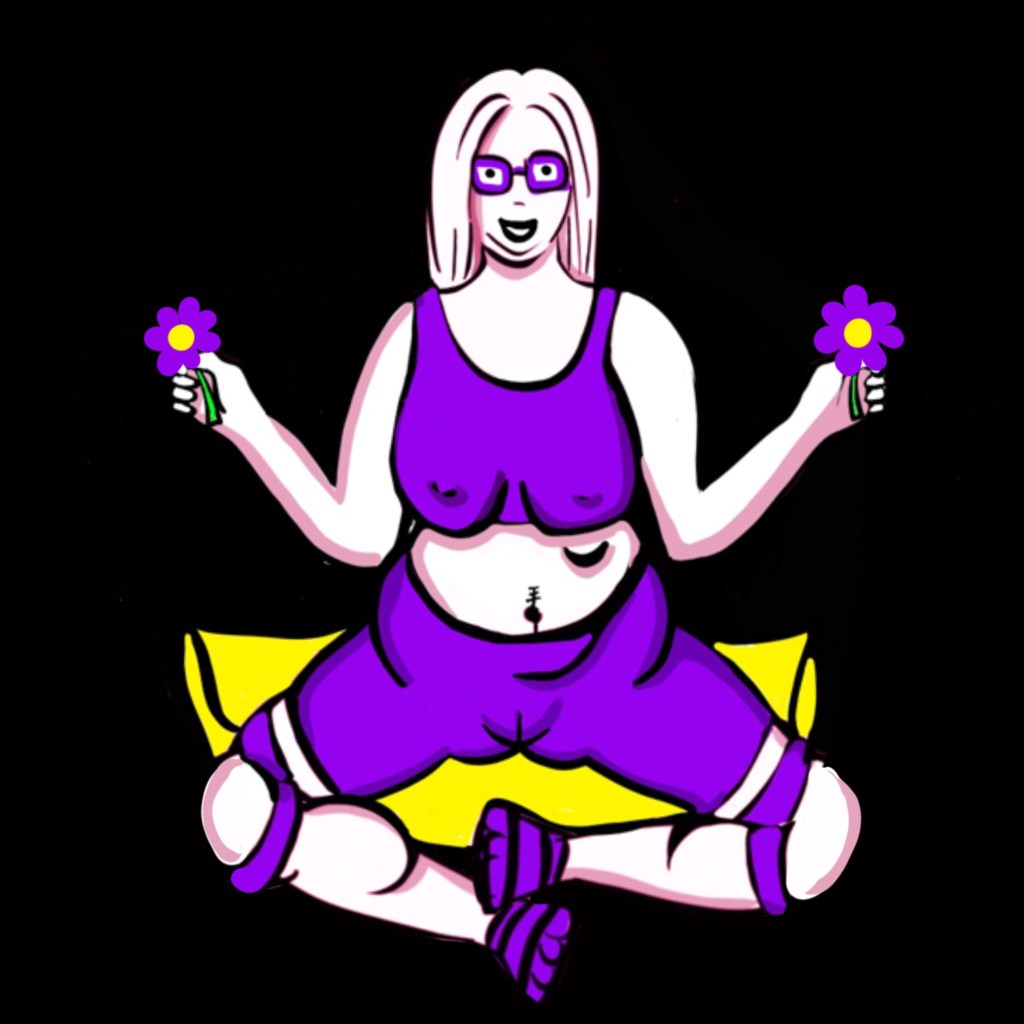
I’d been telling people I was going to a meditation class all week (dyslexia is a beautiful thing). Maybe you CAN do research through meditation; I might invent that! But Jhinuk Sarkar’s workshop on sensory mediation looked at what to do if you are stuck in your creative process or project. We explored our process, analysed it and disrupted it by using our ‘seven’ senses! Bet ya didn’t know we had seven! We have even more it’s just are we prepared to go find them!
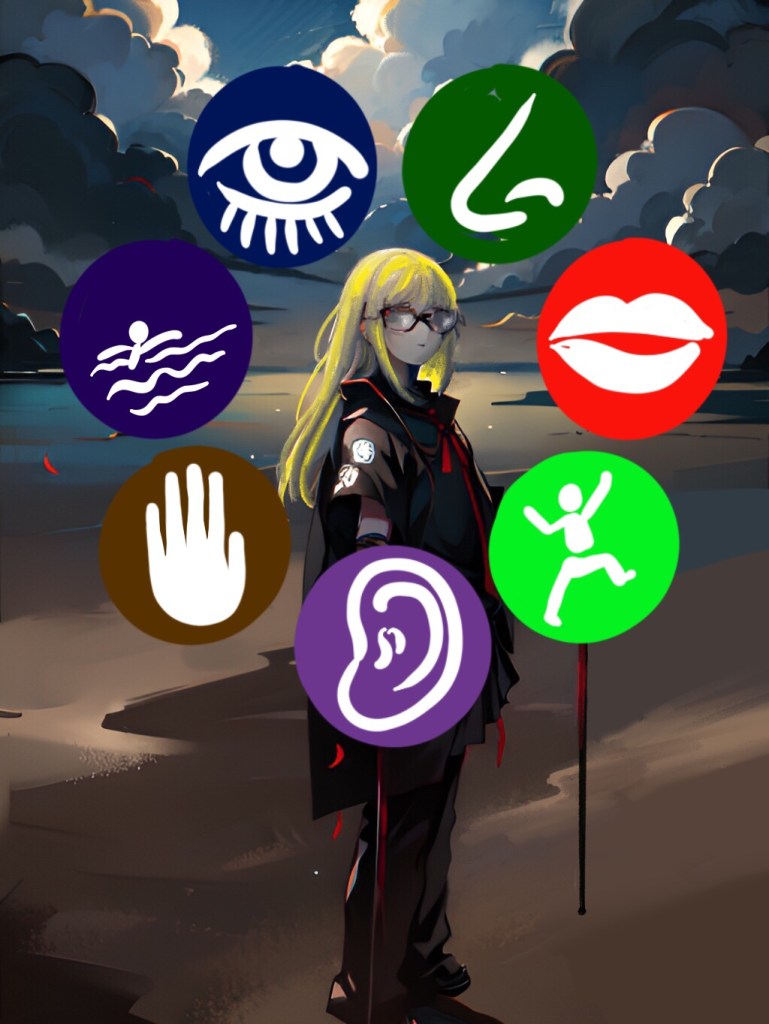
That willingness to explore our own creativity is a fundamental aspect of human existence, allowing us to express ourselves. However, there are times when our creative process becomes stagnant, leaving us feeling stuck and uninspired. That dilemma of whether to persist with our current creative endeavours or to break free from the shackles of familiarity and explore new avenues. By examining our creative process and in Sarkar workshop utilising object-based mediation, we can overcome creative blockages and reignite our passion for innovation.
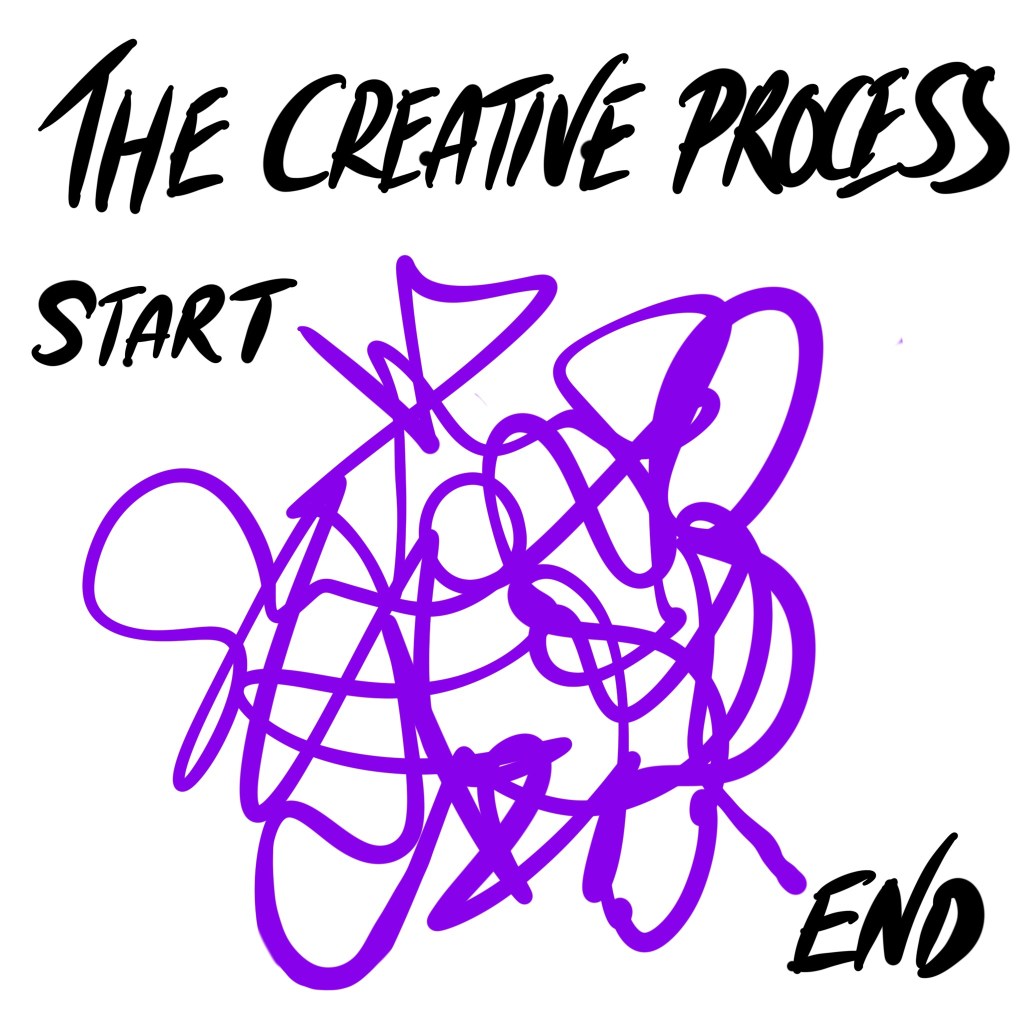
The creative process is a complex and multifaceted journey that varies from artist to artist, for me I would have thought after all these years I would understand mine. Nope, I’m beginning to realise the more I know the more I become unknown to myself. That’s really exciting! Because I know I have so much more to discover.

The neat answer involves a series of stages, initial inspiration, ideation, execution, and evaluation. However, even the most enthusiastic of us encounter periods of stagnation, where ideas seem elusive and motivation wanes.
This is where Richard and Jhinuk overcome this, by letting go of our preconceived creative processes and daring to consider alternative approaches reinvigorates our creative juices.
During the watercolour workshop I ran last week, the last exercise culminated in asking my class to pour the remaining paint from their palettes onto there carefully constructed work. This was two fold firstly it eliminated paint waste down the drain, saving the dolphins and secondly eliminates the control we exercise on our art, with surprisingly refreshing results.
Sticking with the current creative process:
Familiarity breeds contempt : Continuing with our current creative process allows us to build upon existing knowledge and skills, providing a sense of security and familiarity. Meaning nothing grows and nothing changes.

Consistency and coherence: Sticking with a particular creative process ensures a consistent output, allowing for a coherent body of work that reflects our unique style and vision. True very comforting for galleries and collectors, and as Lucile Ball says, ‘why f*ck with success’ and if we followed that we’d still be painting stick men and their woolly mammoths on cave walls!

Unsticking the creative process:
Breaking free from routine: Exploring new approaches and techniques can free us from the monotony of our current creative process, opening doors to fresh perspectives and ideas.
I’m looking at ‘Gelli’ printing on my notes. This gives me a concentrated insight to a medium I’ve only lightly explored in the past and as I collage them into my sketchbook it gives me time to reflect and assimilate the new information into my practice, I am programming my neural network.
Stimulating creativity: Trying new methods or mediums can stimulate our imagination and reignite our passion for creation, leading to innovative breakthroughs. Running my beach workshops with a small group of friends who want to explore their own creativity has actually stimulated mine. I have felt their joy in exploring new mediums and ideas, it’s been as stimulating for me as it has for them.

Overcoming challenges: Developing new problem-solving abilities through establishing new thought patterns, embraces growth and learning. Unsticking our creative process allows us to expand our skill set, fostering personal and professional development.
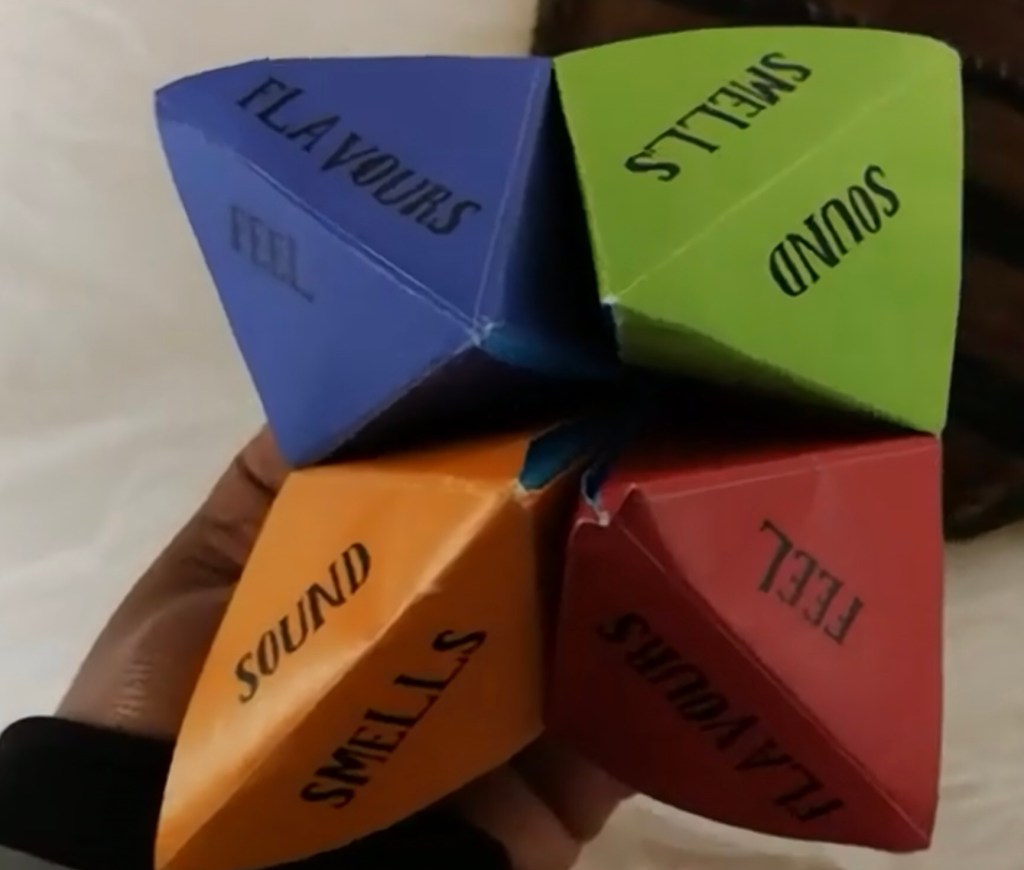
By analysing our creative process and utilising techniques like object-based meditation we can navigate through creative blockages and find the balance between persistence and exploration. Ultimately I believe the key lies in embracing the fluidity of creativity and being open to new possibilities, allowing our creative endeavours to flourish and evolve.
 Mx.D.P
Leave a reply to Dee Cancel reply